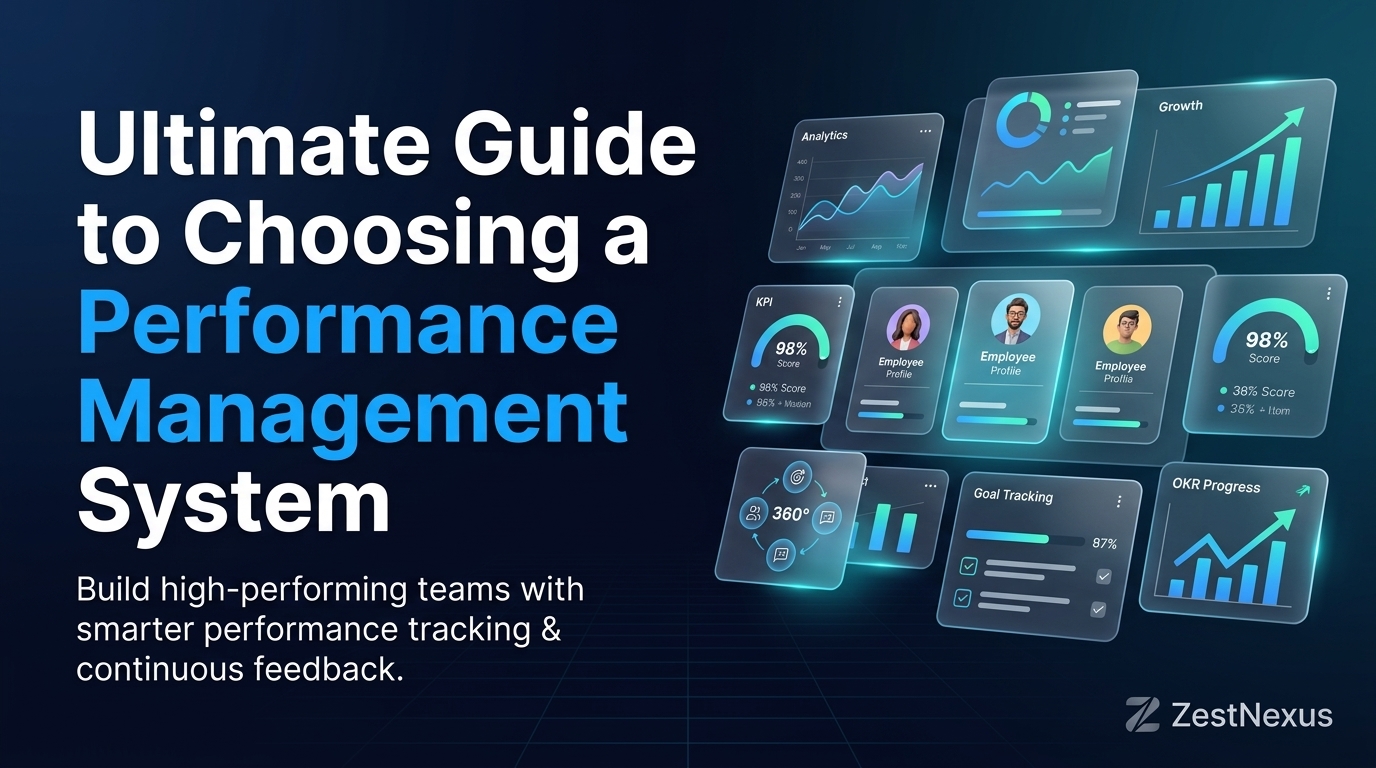
The Ultimate Guide to Choosing a Performance Management System
Learn how to choose the right performance management system for your organization. Explore different types of performance management systems, their benefits, challenges, and how modern HR platforms like ZestNexus support business growth.
The Ultimate Guide to Choosing a Performance Management System
High-performing teams are not built by chance. They are built through clarity, accountability, continuous feedback, and aligned goals.
A strong Performance Management System (PMS) helps organizations connect employee performance directly with business outcomes. It shifts HR from administrative operations to strategic decision-making while creating a culture focused on growth and execution.
The right system helps organizations:
- Align employee goals with company objectives
- Improve productivity and engagement
- Track performance consistently
- Enable meaningful feedback and development
- Support retention and career growth
A weak system creates confusion, delays growth conversations, and reduces accountability. A modern PMS creates visibility, ownership, and measurable progress.
What is a Performance Management System?
A Performance Management System is a structured framework used to evaluate, develop, and improve employee performance across an organization.
It enables companies to:
- Set measurable goals
- Monitor employee progress
- Conduct performance reviews
- Provide ongoing feedback
- Identify skill gaps and development opportunities
- Reward high performance
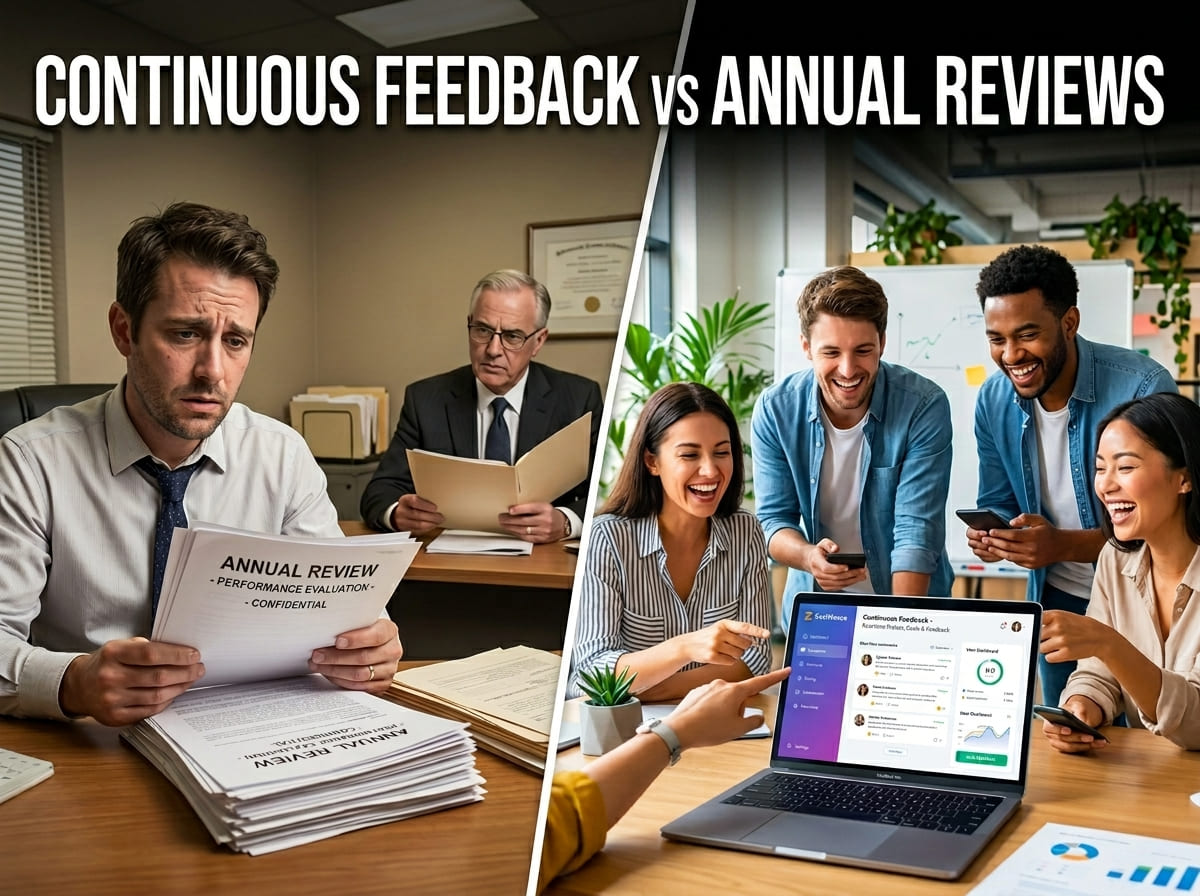
Modern performance management is no longer limited to annual appraisals. Today’s organizations require continuous alignment between employees, managers, and business priorities.
The goal is simple: ensure employees are not just busy — but impactful.
Types of Performance Management Systems
Different organizations require different performance management approaches. The ideal system depends on company size, culture, leadership style, and operational structure.
Below are the most commonly used performance management systems.
1. Traditional Annual Performance Review
How It Works
Employees are evaluated once or twice a year by managers against predefined performance metrics. Ratings, rankings, and review discussions are conducted during formal appraisal cycles.
Advantages
- Creates structured long-term evaluations
- Supports promotion and compensation decisions
- Standardized review process across departments
Challenges
- Feedback arrives too late
- Limited agility in fast-changing environments
- Employees may feel disconnected from growth conversations
Best For
Large organizations with formal review structures and fixed performance cycles.
2. Continuous Performance Management
How It Works
Performance is monitored continuously through regular check-ins, goal tracking, feedback conversations, and coaching sessions.
Advantages
- Encourages real-time feedback
- Improves alignment between teams and business goals
- Supports faster employee development
- Builds stronger manager-employee communication
Challenges
- Requires consistent managerial involvement
- Can become unstructured without proper tools
Best For
Agile organizations, startups, and fast-growing teams focused on adaptability and continuous improvement.
3. 360-Degree Feedback System
How It Works
Employees receive feedback from multiple sources, including managers, peers, direct reports, and sometimes customers.
Advantages
- Provides balanced performance insights
- Reduces evaluation bias
- Builds self-awareness and leadership capabilities
Challenges
- Time-intensive process
- Employees may struggle with critical feedback
- Requires a strong feedback culture
Best For
Leadership development programs and organizations focused on collaboration and behavioral growth.
4. OKR-Based Performance Management
How It Works
Employees and teams set measurable Objectives and Key Results (OKRs), usually reviewed quarterly.
Advantages
- Creates transparency and accountability
- Aligns employee objectives with company strategy
- Encourages measurable outcomes
Challenges
- Requires regular tracking and updates
- Difficult to apply for roles with indirect performance metrics
Best For
Result-oriented organizations operating in fast-moving business environments.
5. Balanced Scorecard Approach
How It Works
Performance is measured across four strategic areas:
- Financial Performance
- Customer Experience
- Internal Processes
- Learning & Growth
Advantages
- Provides a holistic view of organizational performance
- Encourages long-term strategic alignment
- Goes beyond financial metrics
Challenges
- Data-heavy implementation
- Requires mature operational systems
- Can be complex for smaller teams
Best For
Established organizations focused on long-term strategic planning.
6. Reward & Recognition-Based Systems
How It Works
Employees are recognized and rewarded for achievements, contributions, milestones, or exceptional performance.
Advantages
- Increases motivation and engagement
- Reinforces positive workplace behavior
- Helps strengthen company culture
Challenges
- Can create unhealthy competition
- Recognition may become inconsistent without clear standards
Best For
Organizations focused on employee engagement, retention, and culture building.
How to Choose the Right Performance Management System
Choosing the wrong PMS wastes time, money, and employee morale.
Before implementing a system, organizations should evaluate the following factors.
1. Company Size & Industry
Different industries operate differently.
A structured annual review process may work well for enterprise organizations, while startups often benefit more from continuous feedback and agile goal tracking.
2. Organizational Culture
Your performance management system should reflect how your teams operate.
Questions to consider:
- Is your workforce remote, hybrid, or on-site?
- Does your culture prioritize collaboration or individual ownership?
- Are managers actively involved in employee development?
3. Employee Development Goals
A strong PMS should support growth, not just evaluation.
If employee retention, learning, and internal mobility are priorities, choose a system that enables coaching, feedback, and skill development.
4. Technology & Integration
The system should integrate smoothly with your existing HR operations.
Look for features such as:
- Goal tracking
- Real-time feedback
- Reporting dashboards
- Automated review cycles
- Analytics and insights
- HRMS integration
5. Scalability
Your performance management system should grow with your business.
Avoid tools that solve short-term problems but create long-term operational complexity.
Why Modern Organizations Prefer Continuous Performance Management
Traditional yearly appraisals are increasingly being replaced by continuous performance management systems.
Modern businesses need:
- Faster decision-making
- Real-time visibility
- Ongoing employee engagement
- Better alignment with evolving goals
Continuous systems help managers identify performance gaps early, improve communication, and build a stronger performance culture.
Employees also prefer consistent feedback over delayed annual evaluations.
The ZestNexus Advantage
ZestNexus offers a modern performance management solution designed for growing organizations that need clarity, accountability, and measurable outcomes.
With integrated performance tracking, goal management, and feedback systems, organizations can:
- Monitor employee progress in real time
- Align team objectives with business goals
- Simplify performance reviews
- Improve manager effectiveness
- Build a stronger culture of accountability
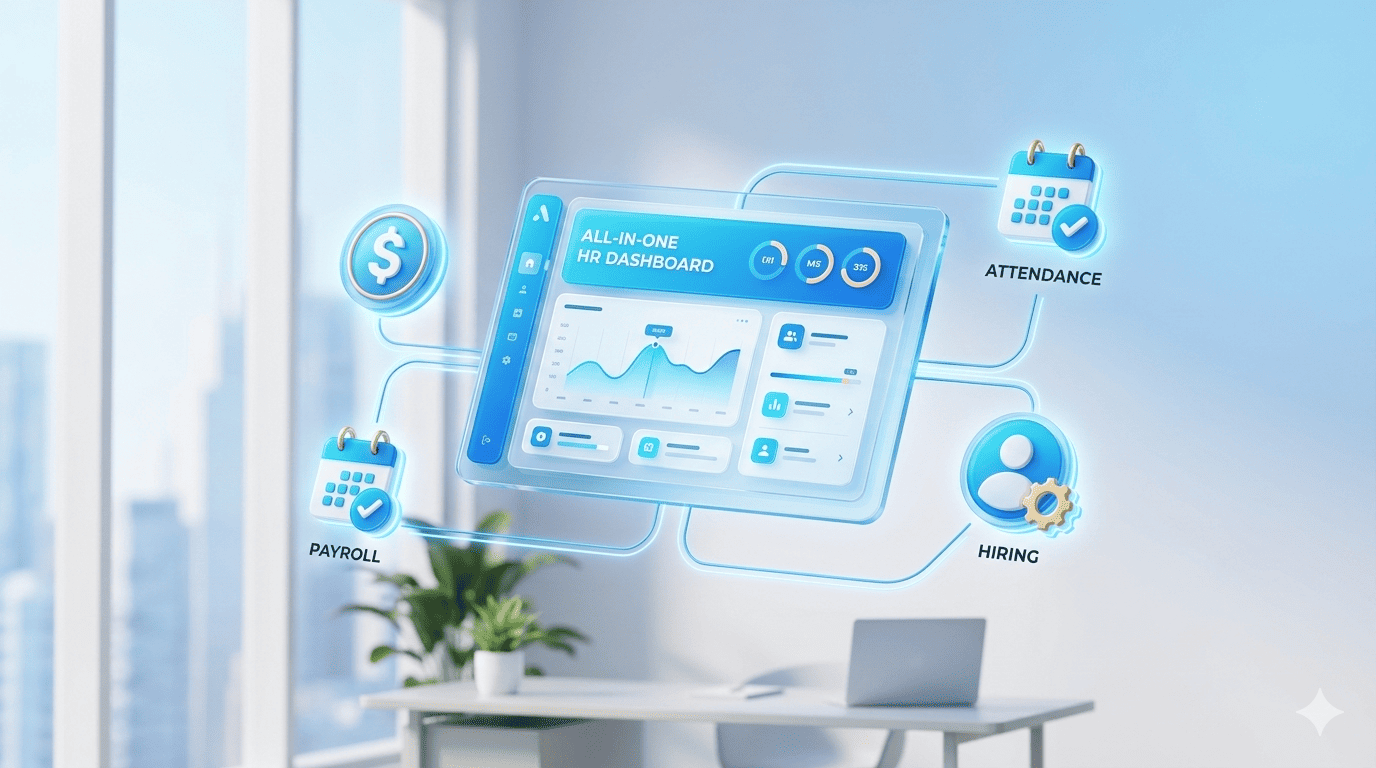
The platform combines HR operations with performance intelligence, helping organizations move from manual processes to strategic workforce management.
Final Thoughts
A performance management system is not just an HR tool. It is a business growth framework.
The right PMS improves visibility, strengthens accountability, develops talent, and drives better organizational outcomes.
The best system is not necessarily the most complex one — it is the one that aligns naturally with your company’s culture, strategy, and operational needs.
Organizations that invest in modern performance management create teams that are not only productive but consistently aligned with long-term business success.
Similar blogs you may like